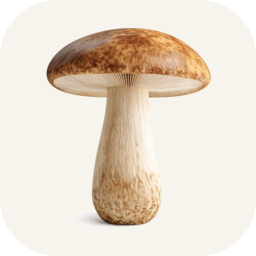
Lion's Mane Mushroom
Lion's Mane (Hericium erinaceus) is an edible mushroom named for its shaggy, white, icicle-like spines, studied mainly for hericenone and erinacine compounds (Lion's Mane's two signature active compounds) that research links to nerve growth factor (a protein involved in growing and maintaining nerve cells) synthesis. Human trials show the clearest benefit in adults with existing cognitive impairment at a sustained, published dose, not as a general-purpose focus supplement.
What the research measured
The most-cited human trial on Lion's Mane is a double-blind, placebo-controlled study of adults age 50 to 80 with mild cognitive impairment, per Mori et al., 2009, Phytotherapy Research. Subjects took four 250 mg tablets of Yamabushitake dry powder (96% concentration) three times a day, roughly 3 g/day, for 16 weeks. The treatment group showed significantly improved cognitive scores compared to placebo during the treatment period. The limitation: this was a small trial (30 total participants, 15 per group), and the improvement reversed after a 4-week washout once subjects stopped taking it, meaning the effect required continued use.
A separate double-blind pilot study in healthy adults age 18 to 45 tested Lion's Mane over 4 weeks and found smaller, more mixed results, per PMC10675414, 2023. Some measures of processing speed and subjective stress improved; a delayed word recall test performed worse than placebo in that trial. Taken together, the two studies point to a real but population-specific effect: strongest evidence in adults with diagnosed cognitive impairment at a sustained 3 g/day dose, weaker and inconsistent evidence in healthy adults over shorter periods.
Fruiting body vs. mycelium: what's in the bottle
Lion's Mane supplements are extracted from one of two plant parts, and the label doesn't always say which. The fruiting body is the visible mushroom; mycelium is the root-like network that's sometimes grown on grain (rice, oats) for a cheaper, faster harvest. The difference affects how much of the mushroom's active compound content ends up in the product.
| Extraction type | Compounds present | Independent lab findings | Label example |
|---|---|---|---|
| Fruiting body | Hericenones, beta-glucans | Beta-glucan (an immune-supporting carbohydrate found in mushrooms) content consistently higher (roughly 30%+ of dry weight) and starch under 3%, per Nammex's published testing using the Megazyme beta-glucan assay, the same method used by the USDA for mushroom beta-glucan testing. | Four Sigmatic's Focus blend states its Lion's Mane is extracted from log-grown fruiting bodies only, "no fillers, grains or carriers." |
| Mycelium grown on grain | Erinacines (concentrated in mycelium), plus residual grain starch | Beta-glucan as low as 1–5% with 35–40% starch carried over from the rice or oat substrate, per the same Nammex-published testing. | Not disclosed as "fruiting body" on the label. Watch for the unqualified phrase "mushroom extract" or "mycelium" without a stated substrate-removal step. |
This is a real, checkable difference, not editorial spin: per Nammex's published beta-glucan testing, mycelium-on-grain products can be mostly grain starch by weight rather than mushroom material, even though the label says "mushroom extract." If a label doesn't specify "fruiting body," that's worth checking before assuming the product matches the dose used in clinical research.
Is it safe?
Per the clinical safety review on the NCBI Bookshelf (LiverTox), there are no reported cases of liver injury attributed to Lion's Mane at typical oral doses in the available clinical literature. This page does not evaluate interactions with specific medications or conditions; check with a doctor before starting any supplement, especially if pregnant, on medication, or allergic to mushrooms.
For a label-by-label extraction and dose comparison, see the Lion's Mane Supplement Guide. For the exact study doses and reported side effects, see Lion's Mane Dosage & Side Effects. Lion's Mane also shows up in mushroom coffee blends; see the Mushroom Coffee hub for how those compare.
Named brands, checked one at a time
Beyond the side-by-side comparison guide, named brands get a dedicated look at what their own label discloses.
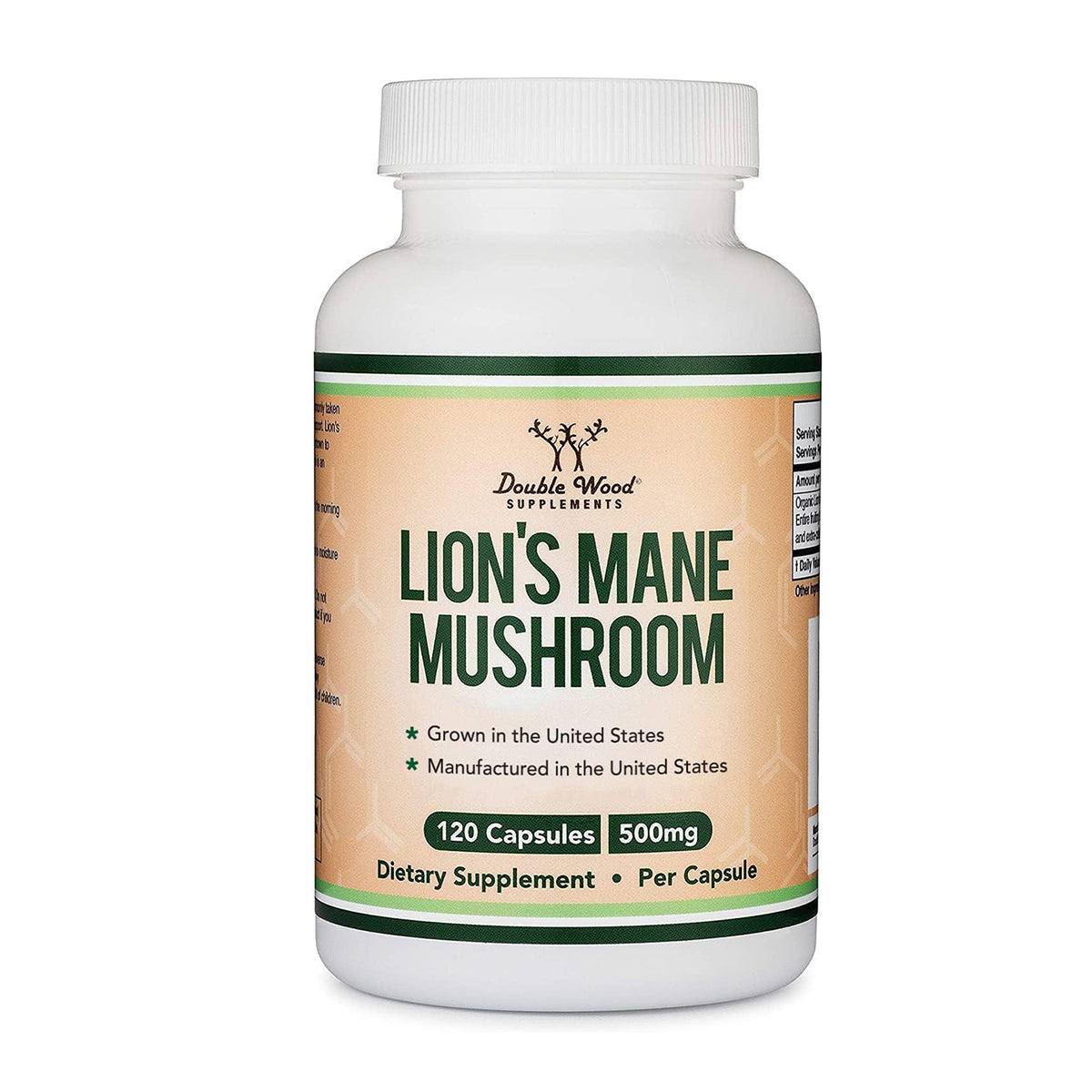
Double Wood
Whole mushroom, not an extract, brand names an outside lab it describes as accredited.
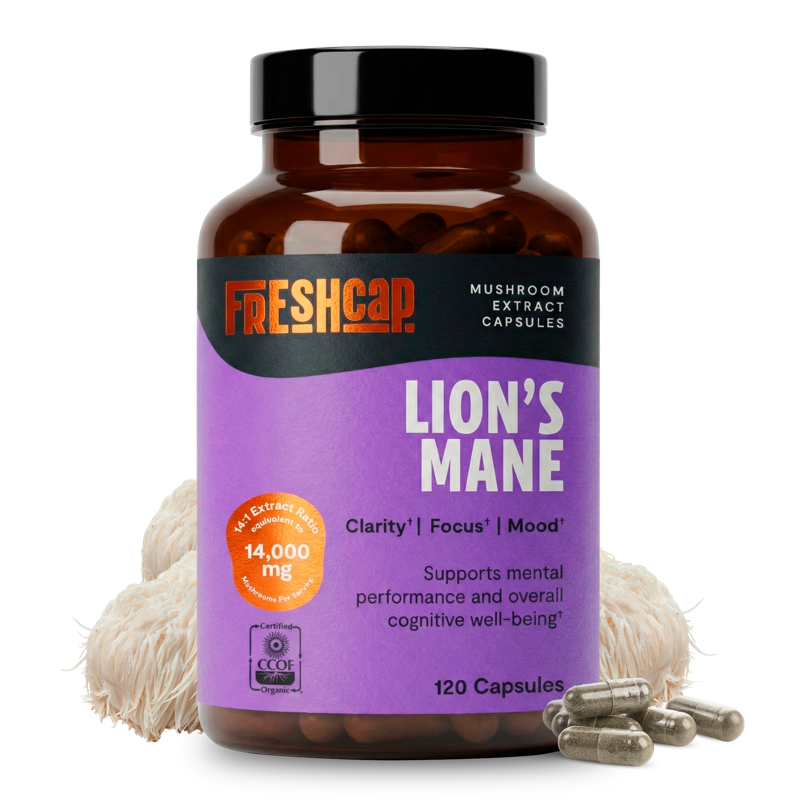
FreshCap
Fruiting body, 14:1 extract standardized to 31% beta-glucan, but the brand doesn't name its testing lab.
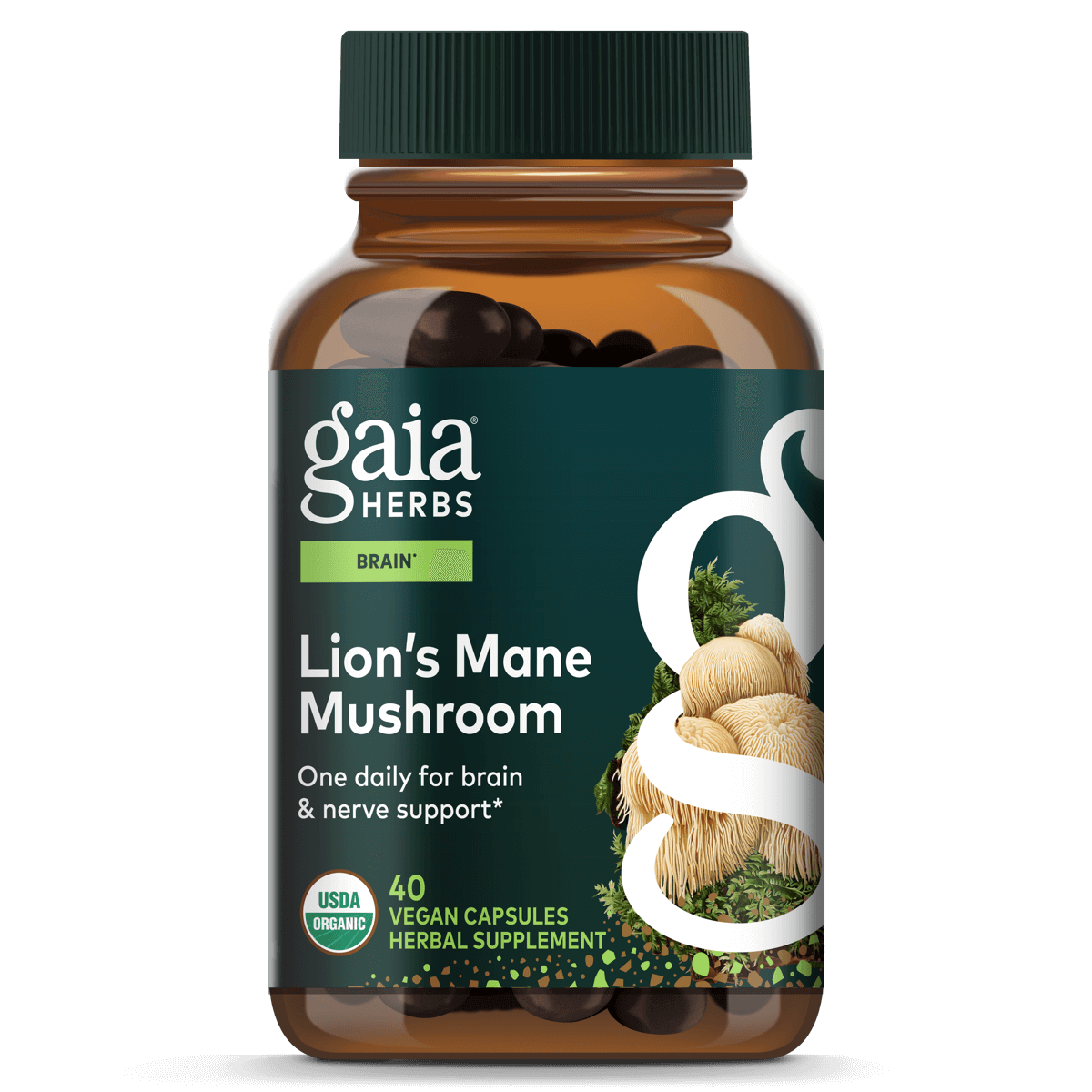
Gaia Herbs
Exact fruiting-body dose disclosed, but tested in-house rather than by a named outside lab.
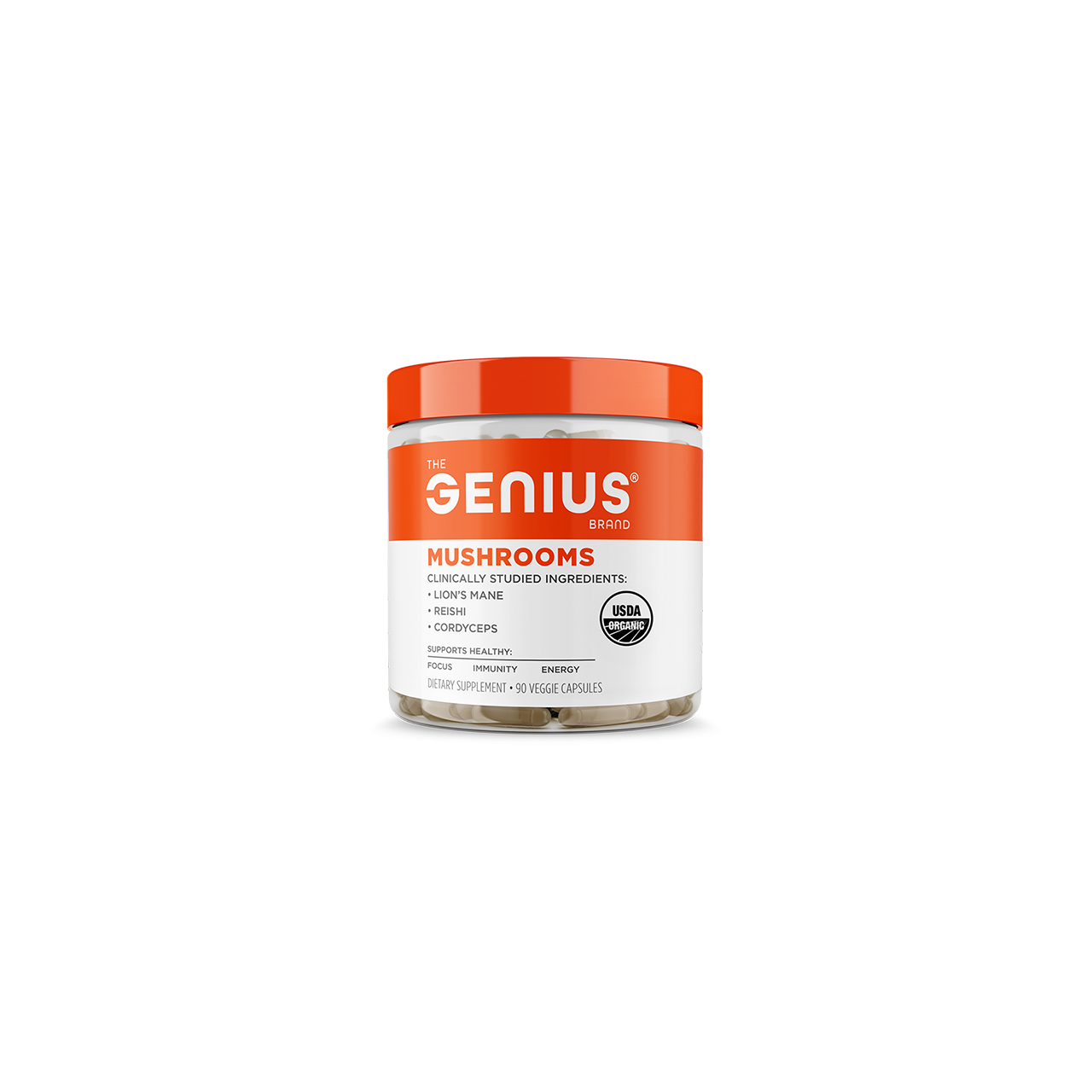
Genius Mushroom
A three-species blend that doesn't disclose individual species doses.
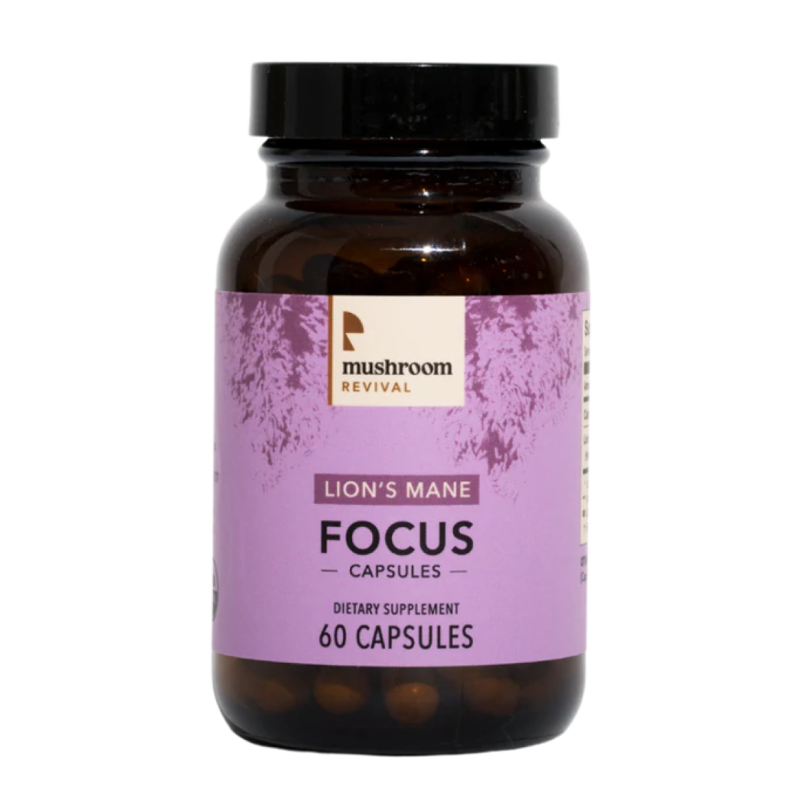
Mushroom Revival
Fruiting body per the brand, 37.1% beta-glucan with a linked certificate of analysis, but extraction method not disclosed.
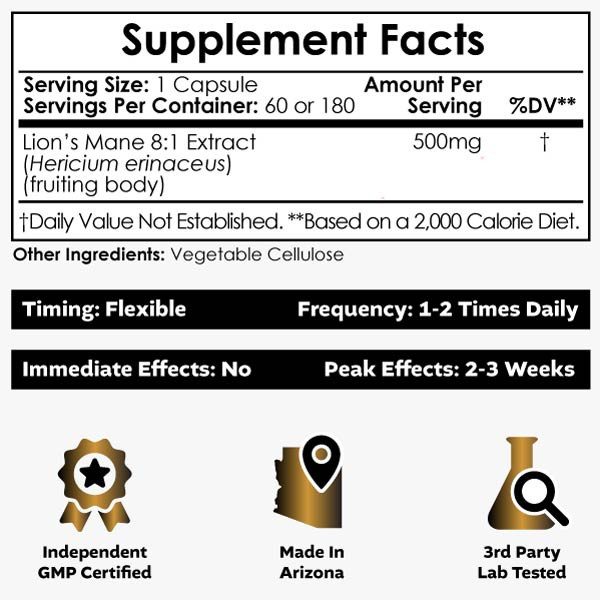
Nootropics Depot
Fruiting body, dual-extracted, brand says third-party tested every batch.
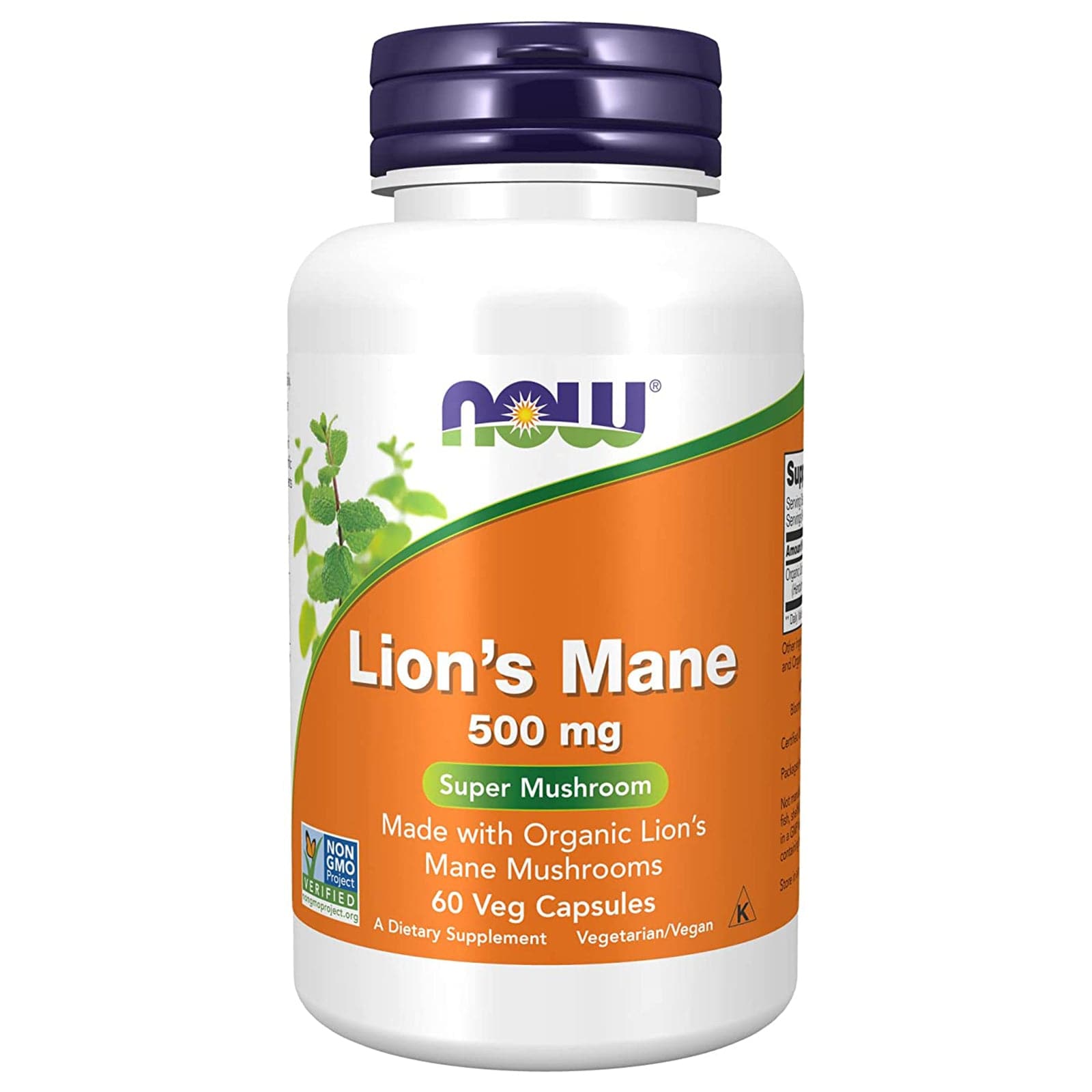
NOW Foods
Fruiting body at a mainstream price point, but no beta-glucan percentage or lab test published.
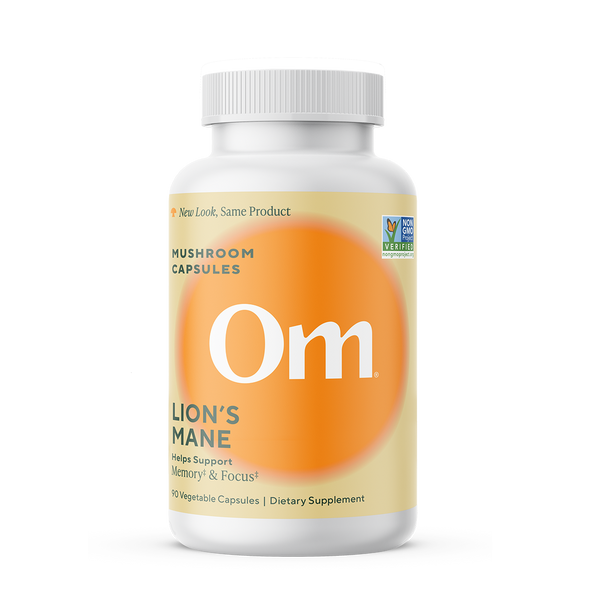
Om Mushroom Superfood
Whole mushroom by design, mycelium and fruiting body together.
Ways to take it
Lion's Mane is sold in several formats beyond capsules, each with its own disclosure pattern: Lion's Mane coffee, chocolate bars, gummies, tinctures, and multi-species blends. For a side-by-side of the 8 capsule brands reviewed on this hub, see Mushroom Capsules Compared. Check each format's page for what it discloses; none of them are compared against each other on this page. Prefer to grow your own instead of buying a supplement? See How to Grow Lion's Mane Mushrooms at Home.
Frequently Asked Questions
Sources
- Mori et al., 2009, Phytotherapy Research: Double-blind, placebo-controlled trial: 3 g/day Yamabushitake dry powder for 16 weeks in adults 50–80 with mild cognitive impairment (n=30)
- PMC10675414, 2023: Double-blind pilot study of Lion's Mane on cognition, stress, and mood in healthy adults 18–45 over 4 weeks
- NCBI Bookshelf, LiverTox: Lion's Mane: Clinical safety review of Lion's Mane supplementation
- Nammex, Beta-Glucan Breakdown: Published lab testing comparing beta-glucan and starch content in fruiting-body vs. mycelium-on-grain products (manufacturer-published; testing method also used by USDA)
- Four Sigmatic, Focus Ground Coffee product page: Brand's own disclosure of fruiting-body-only Lion's Mane extraction