
Reishi Mushroom
Reishi (Ganoderma lucidum) is a bracket fungus studied mainly for beta-glucan (an immune-supporting carbohydrate) and ganoderic acid (a triterpene compound linked to Reishi's traditional use) content. Human trials show a real, measurable immune-marker effect in healthy adults at a specific standardized dose, but no measurable benefit on metabolic risk factors like blood glucose or cholesterol at a different dose in a different population, not a universal effect across use cases.
What the research measured
A randomized, double-blind, placebo-controlled trial of 135 healthy adults age 18 to 55 tested 200 mg/day of a standardized Ganoderma lucidum beta-1,3;1,6-D-glucan extract for 84 days, per Chen et al., 2023, Foods. Compared to placebo, the treatment group showed statistically significant increases in CD3+, CD4+, and CD8+ T-lymphocyte counts, an improved CD4/CD8 ratio, higher natural killer (NK) cell counts, an 83.1% increase in NK cell cytotoxicity, and higher serum IgA, with no significant change in kidney or liver function markers.
A separate trial tested a much higher dose, 3 g/day of whole Ganoderma lucidum extract, for 16 weeks in 84 adults with type 2 diabetes and metabolic syndrome, per Klupp et al., 2016, Scientific Reports. This trial found no statistically significant improvement in HbA1c, fasting glucose, blood pressure, cholesterol, or any other measured cardiovascular risk factor; the authors concluded the evidence did not support using Ganoderma lucidum to treat cardiovascular risk factors in that population. Taken together, the two trials point to a population- and dose-specific effect: a measurable immune-marker change in healthy adults at a 200 mg/day standardized beta-glucan dose, and no measurable metabolic benefit at a 3 g/day whole-extract dose in adults who already have diabetes or metabolic syndrome.
Hot water vs. dual extraction: what's in the bottle
Reishi supplements are extracted with one of two methods, and the label doesn't always make the difference obvious. Beta-glucans are water-soluble; ganoderic acids (triterpenes) are not, they require an alcohol extraction step to end up in the finished product. A label that reports only a beta-glucan percentage, with no triterpene figure, is a signal of a water-only extraction.
| Extraction type | Compounds captured | What brand data shows | Label example |
|---|---|---|---|
| Hot water extraction only | Beta-glucans (water-soluble polysaccharides) | Captures beta-glucans effectively but leaves most ganoderic acids (triterpenes) behind, since triterpenes are alcohol-soluble, not water-soluble, per extraction-chemistry documentation published by multiple mushroom-extract manufacturers, including Nootropics Depot's own product pages. | A label listing only a beta-glucan percentage, with no triterpene or ganoderic acid figure, typically indicates water-only extraction. |
| Dual extraction (water + alcohol) | Beta-glucans and ganoderic acids (triterpenes) | Combines a water extraction step with an ethanol extraction step so both compound classes end up in the finished product, per Real Mushrooms' and Nootropics Depot's own published extraction methods for their Reishi lines. | Real Mushrooms' Reishi capsules guarantee both >25% beta-glucans and 4% triterpenes on the same label, per the brand's own product page. Nootropics Depot's Red Reishi 8:1 blends a 16:1 ethanol extract with a 1:1 water extract for the same reason. |
This is a real, checkable difference, not editorial spin: a beta-glucan-only label doesn't mean a product has no ganoderic acid content, but it does mean the brand hasn't published a figure for it, which makes the two axes hard to compare across brands unless both are disclosed on the same label.
Is it safe?
Per the clinical safety review on the NCBI Bookshelf (LiverTox), clinically apparent liver injury from Reishi appears extremely rare given its extensive worldwide use; the entry assigns the lowest likelihood category (D: possible rare cause), and notes many reported cases were poorly documented with other causes not fully excluded. Typical doses in the literature range from 500 mg to 3 g/day. Reishi can also increase bleeding risk in people taking blood thinners; see the Reishi Dosage & Consumption page for the specific interaction data. This page does not evaluate other medication interactions; check with a doctor before starting any supplement, especially if pregnant, on medication, or allergic to mushrooms.
For consumption methods (powder, tea, tincture, capsule) and dosing detail, see Reishi Dosage & Consumption. Reishi is also compared against Lion's Mane research on the Lion's Mane hub.
Named brands, checked one at a time
Beyond the extraction-method comparison above, named brands get a dedicated look at what their own label discloses.
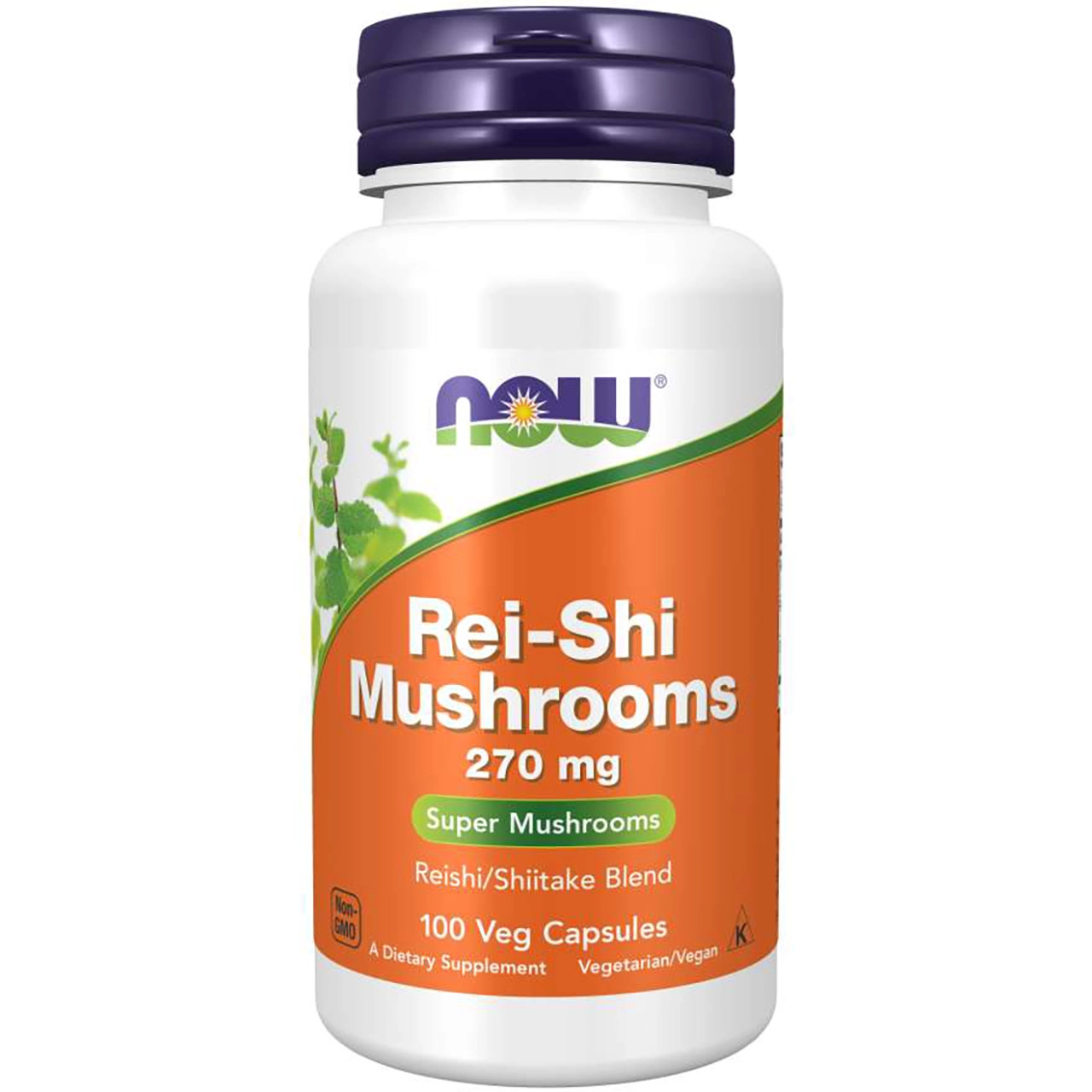
NOW Foods
A Reishi/Shiitake blend with no fruiting-body/mycelium disclosure and no beta-glucan or triterpene percentage published.
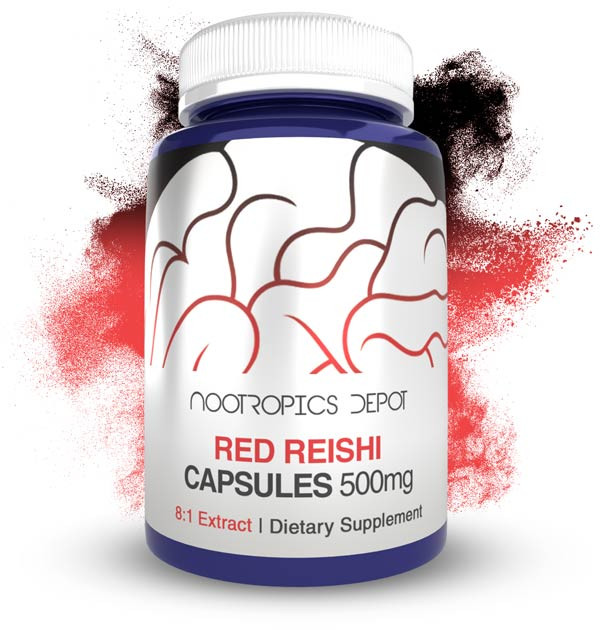
Nootropics Depot
Dual extraction, brand-guaranteed minimum 20% beta-glucan, brand says third-party ISO-lab HPLC tested.
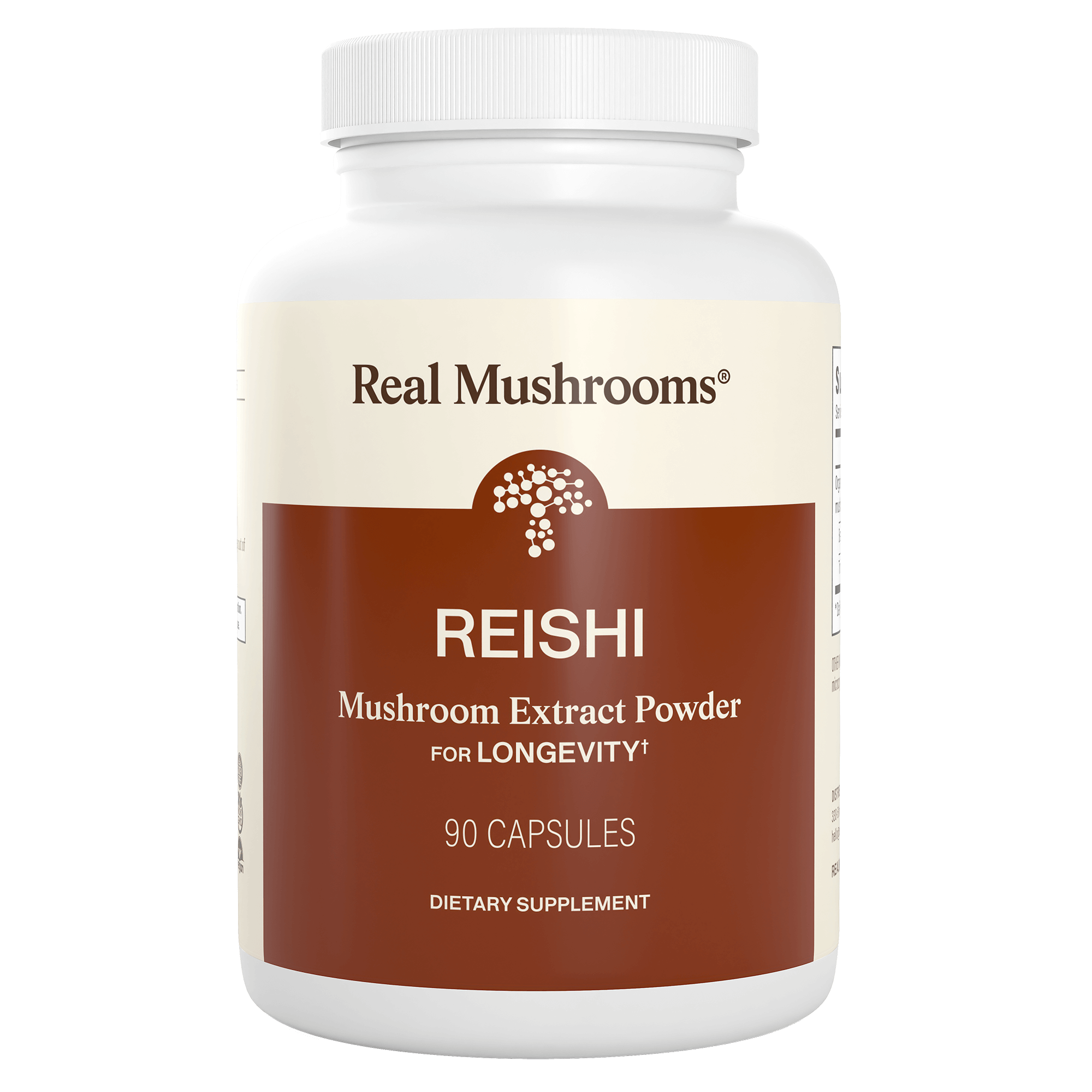
Real Mushrooms
Dual extraction, both beta-glucan and triterpene percentages the brand guarantees on the same label.
Ways to take it
Reishi shows up in several formats beyond capsules: mushroom coffee blends, chocolate (Four Sigmatic's Calm Cacao is Reishi-specific), gummies, and multi-species blends. Check each format's page for what it discloses; none of them are compared against each other on this page.
Frequently Asked Questions
Sources
- Chen et al., 2023, Foods: Randomized, double-blind, placebo-controlled trial: 200 mg/day Ganoderma lucidum beta-1,3;1,6-D-glucan for 84 days in healthy adults 18-55 (n=135 completed)
- Klupp et al., 2016, Scientific Reports: Double-blind, randomized, placebo-controlled trial: 3 g/day Ganoderma lucidum for 16 weeks in adults with type 2 diabetes and metabolic syndrome (n=84 randomized, 75 completed); found no significant benefit on cardiovascular risk factors
- NCBI Bookshelf, LiverTox: Lingzhi, Reishi: Clinical safety review; likelihood category D (possible rare cause of clinically apparent liver injury), typical doses 500 mg-3 g/day
- Nootropics Depot, Red Reishi Mushroom Capsules 8:1 Extract product page: Brand's own disclosure of dual (water + ethanol) extraction method and minimum 20% beta-glucan guarantee
- Real Mushrooms, Reishi Mushroom Capsules product page: Brand's own disclosure of dual extraction with guaranteed >25% beta-glucans and 4% triterpenes