Independent & Source-Cited
Functional Mushroom Guide
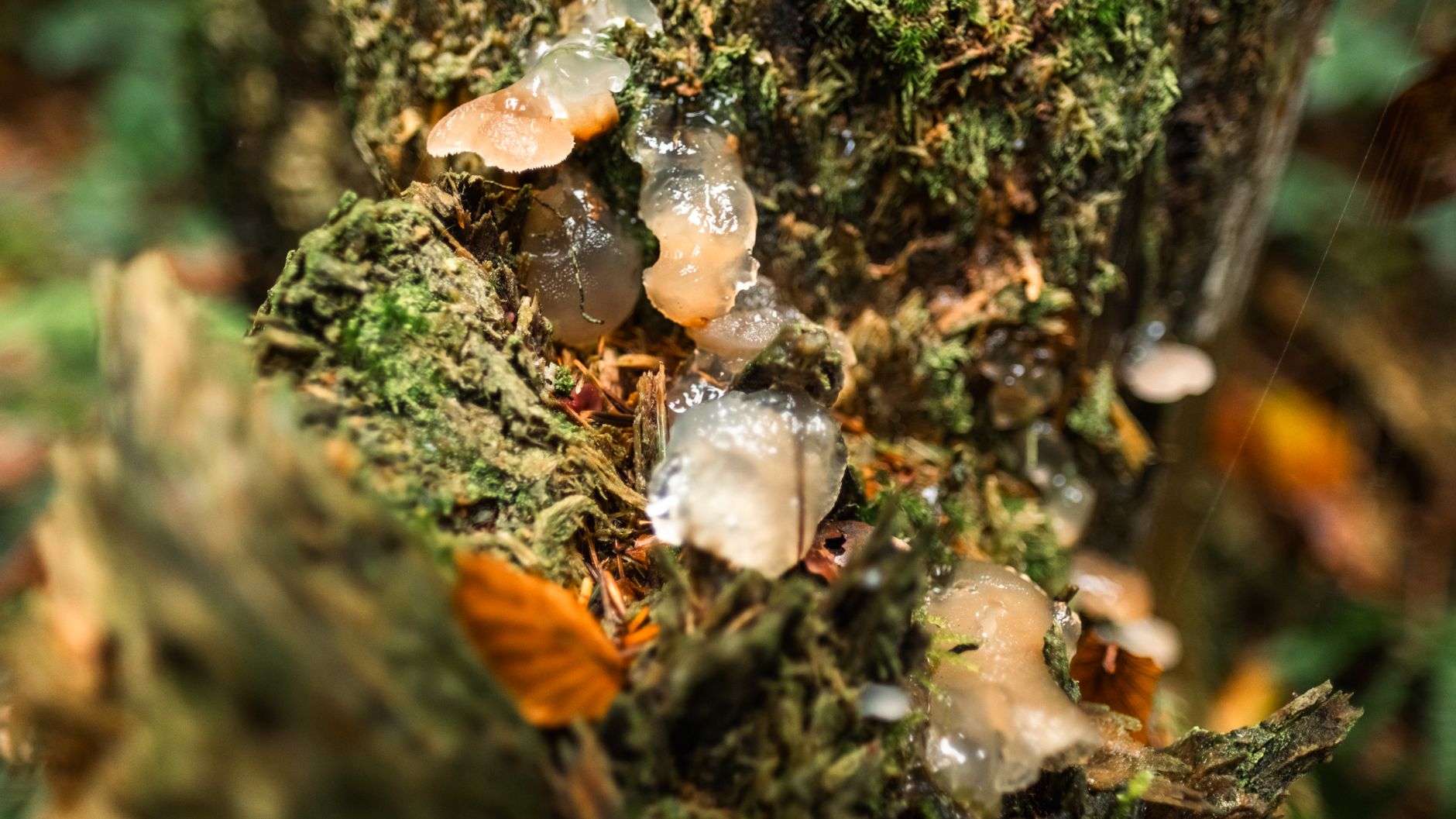
What's actually in a Lion's Mane or mushroom coffee product, what the named research on those ingredients measured, and how to tell an edible wild mushroom from a dangerous lookalike. Every claim links to the label, study, or field guide it comes from.
Lion's Mane
The most-researched functional mushroom
Lion's Mane has the strongest published research base on this site, at a specific dose, in a specific population, not as a general-purpose nootropic.
Lion's Mane Dosage & Side Effects
The exact doses used in clinical trials, plus the specific side effects those studies reported.
Lion's Mane Supplement Guide
What two named brands disclose on their labels, and how the dose compares to clinical research.
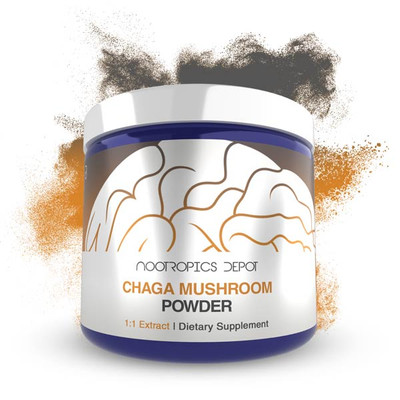
Nootropics Depot: Brand Says Every Batch Is Lab-Tested
The brand's label says every batch is checked by an outside lab, not just tested in-house.
Om Mushroom Superfood: The Whole Mushroom, Not One Part
The brand says it uses the whole mushroom instead of extracting and isolating a single part.
NOW Foods: Cheaper, But Fewer Answers
Costs less than most, but doesn't publish an outside lab result or exact strength.
Gaia Herbs: Exact Dose, Tested In-House
The label states a precise dose, but says it's tested in their own lab, not an outside one.
Double Wood: Whole Mushroom, Brand Says Outside Lab Tested
Uses the whole mushroom; the brand says an accredited outside lab checked what's inside.
Genius Mushroom: A Blend With No Breakdown
Mixes three different mushrooms without saying how much of each one is actually inside.
Mushroom Coffee
Read the label, not the marketing
Mushroom coffee blends ground coffee with powdered mushroom extract, and brands disclose that extract very differently. We compare labels brand by brand.
Mushroom Coffee Blends Compared by Ingredient List
Three blends compared side by side on species count, per-serving disclosure, and caffeine.
Lion's Mane Coffee
Three named brands with Lion's Mane, compared by what each label discloses.
Cordyceps Mushroom Coffee
Which brands include Cordyceps, which species, and what's disclosed per serving.
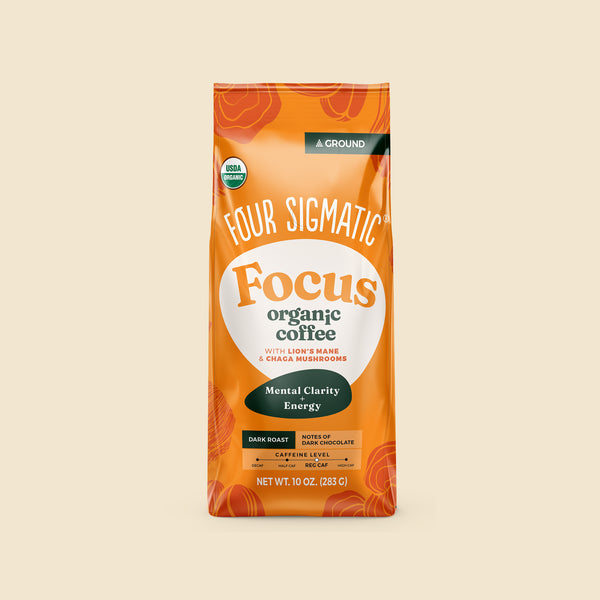
Four Sigmatic: What's Actually In It
Four Sigmatic's own published ingredient list and per-serving amounts, line by line.
Edible Mushrooms
Identification before anything else
Species like shiitake, lobster mushroom, and shaggy mane are foraged and cooked for good reason, but every one of them shares dangerous lookalikes in at least some regions.
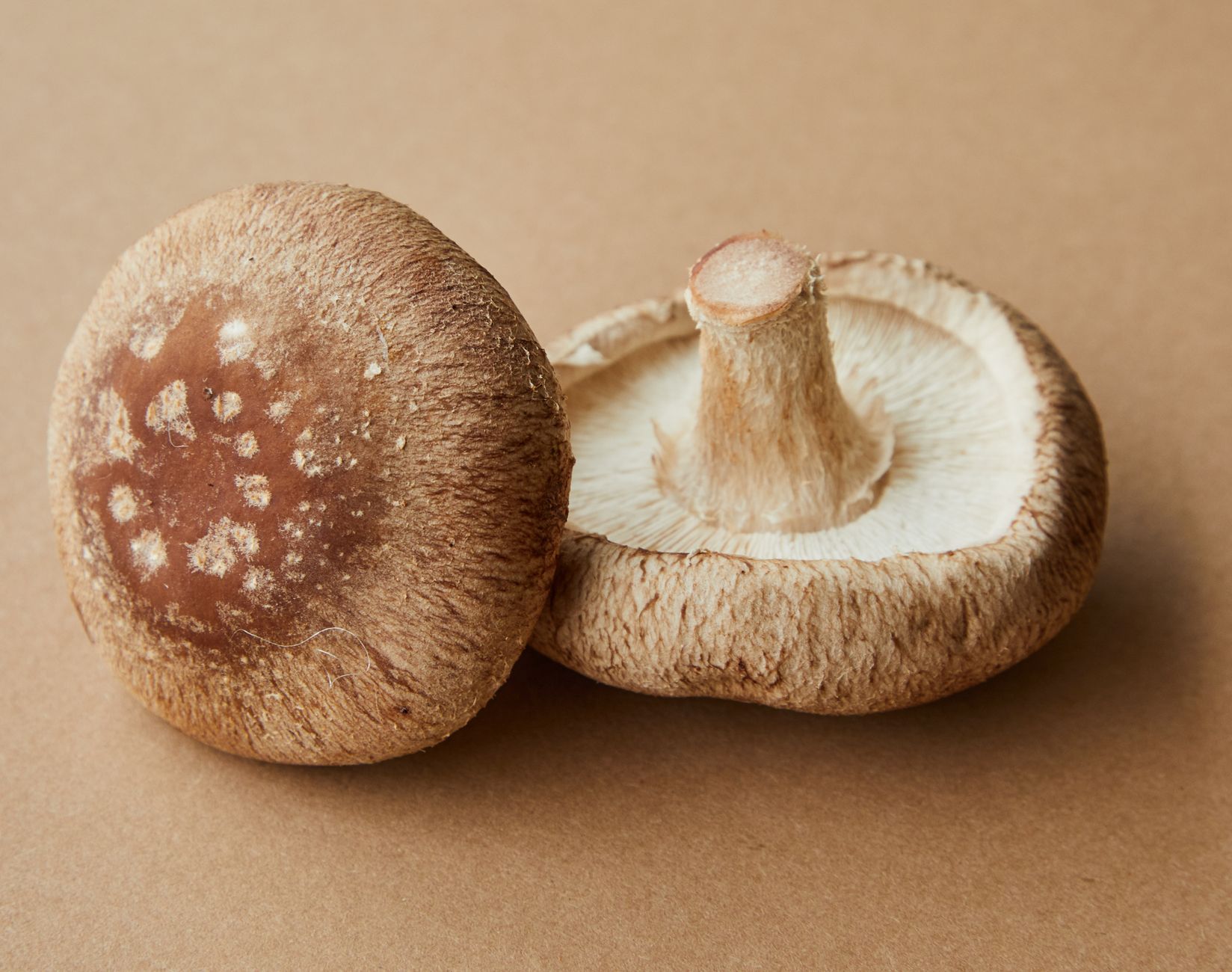
Shiitake Mushroom (Lentinula edodes)
ID, cultivation, and nutrition facts per USDA FoodData Central, cited by exact figure.
Lobster Mushroom
Not a mushroom species at all, a parasitic fungus. ID and the safety check for partial coverage.
King Oyster Mushroom
ID, native range, and nutrition, and why its shape carries no widely reported toxic lookalike.
Shaggy Mane Mushroom
Why it must be eaten within hours of picking, and the alcohol warning that belongs to a lookalike.
Dryad's Saddle Mushroom
ID by cap, pores, and watermelon-rind smell, and why only younger specimens are edible.
Reishi
A different mushroom, a different evidence picture
Reishi's research base doesn't look like Lion's Mane's. Real immune-marker changes show up in healthy adults at one dose; a much larger dose showed no metabolic benefit in adults with diabetes. Extraction method also determines which compounds a product actually delivers.
Reishi Dosage & Consumption
The exact doses used in clinical trials, plus what tea, tincture, and capsule forms actually extract.
Nootropics Depot Reishi: Brand Guarantees Two Active Ingredients
The label guarantees minimum amounts of two active ingredients, which it says an outside lab checked.
Real Mushrooms Reishi: The Most Detailed Label We Found
The only Reishi label here where the brand guarantees both active ingredients and says the species is lab-confirmed.
NOW Foods Reishi: A Blend With No Numbers
Mixes Reishi with Shiitake, but doesn't say how much of either active ingredient it actually contains.
Cordyceps
Fruiting body or fermented mycelium, not interchangeable
Cordyceps' exercise-performance evidence is real but narrow, and most "Cordyceps sinensis" on a label, including the clinical-trial material itself, is a lab-fermented mycelial strain, not the wild fungus. We compare what named brands actually disclose.
Cordyceps Dosage & Consumption
The exact doses used in clinical trials, plus what fruiting-body vs. fermented-mycelium forms actually deliver.
Nootropics Depot Cordyceps: Brand Publishes Lab Numbers
Uses the whole mushroom, not a lab-grown substitute; the brand publishes test results for its two key ingredients.
Real Mushrooms Cordyceps: Brand Guarantees a Minimum Level
The brand guarantees a minimum active-ingredient level and says lab testing confirms the species.
Host Defense Cordyceps: Grown on Rice, Few Details Shared
Grown on fermented rice in a lab, without publishing test results for its key ingredients.
Chaga
Real kidney-injury cases, and a compositional line most labels don't disclose
No human clinical trials exist for Chaga yet, only animal research. Real, published case reports document kidney injury at doses many products sell as a normal serving. And lab-cultivated Chaga mycelium can't contain the compounds wild sclerotium is known for at all.
Chaga Dosage & Consumption
The doses linked to documented kidney-injury case reports, and who should avoid Chaga entirely.
Nootropics Depot Chaga: Wild-Harvested, Brand Publishes Strength
Comes from wild mushrooms, not a lab-grown substitute; the brand publishes a minimum strength.
Real Mushrooms Chaga: Wild-Harvested, Brand Says Species Confirmed
Wild-harvested; the brand guarantees a minimum strength and says lab testing confirms the species.
Host Defense Chaga: Grown on Rice, Not Wild-Harvested
Grown in a lab on rice, without saying whether it has the ingredient wild Chaga is known for.
Turkey Tail
Real cancer-trial evidence, at a dose most capsules don't match
Turkey Tail's PSK extract has over 25 controlled human trials in Japan as a cancer adjuvant, more evidence than most functional mushrooms. But the trial dose is 6 times what a typical retail capsule delivers, and most labels don't disclose whether they're even using fruiting body.
Turkey Tail Dosage & Consumption
The 3 g/day PSK dose used in the cancer trials, vs. what a typical capsule actually delivers.
Nootropics Depot Turkey Tail: Brand Says Both Compounds Preserved
Uses the whole mushroom; the brand says both compounds studied in the cancer research are preserved.
Real Mushrooms Turkey Tail: Brand Says No Fillers, Species Confirmed
The brand says it's 100% mushroom with no fillers, a guaranteed minimum strength, and lab-confirmed species.
Host Defense Turkey Tail: Grown on Rice, Key Details Missing
Grown on fermented rice without publishing the two compounds studied in the cancer research.
Mushroom Safety
The lookalike pairs that matter most
Most serious foraging mistakes trace back to a small number of well-documented lookalike pairs, not random misidentification.
Frequently Asked Questions
Sources
- Mori et al., 2009, Phytotherapy Research: Double-blind, placebo-controlled trial of Yamabushitake (Hericium erinaceus) in adults with mild cognitive impairment
- PMC10675414, 2023: Double-blind pilot study of Lion's Mane supplementation on cognition, stress, and mood in healthy young adults
- NCBI Bookshelf, LiverTox: Lion's Mane: Clinical safety review; no reported cases of liver injury attributed to Lion's Mane at typical oral doses
- Missouri Department of Conservation, Destroying Angel field guide: Identification traits separating destroying angel from edible meadow mushroom