Chaga Mushroom
No human clinical trials exist for Chaga yet, only animal and lab research; lab-cultivated Chaga mycelium cannot contain betulinic acid at all (only wild sclerotium in contact with a birch tree can); and heavy Chaga use has real, documented case reports of serious kidney injury tied to its naturally high oxalate content.
What the research shows
Chaga (Inonotus obliquus) has antioxidant, antidiabetic, antiviral, immunomodulating, and anti-inflammatory effects reported across laboratory and animal studies, but no completed human clinical trial has evaluated its safety or effectiveness as of this writing. One representative animal study fed diabetic rats fermented Chaga polysaccharides at 10, 20, and 30 mg/kg for 6 weeks, per Diao et al., and found dose-dependent blood glucose reduction (over 50% at the highest dose) and recovery of damaged pancreatic beta-cell structure. That's a real, measured effect, in rats, not people, at a dose that hasn't been translated to a human equivalent in any published trial. Any product or article claiming a specific human benefit from Chaga is going beyond what the current evidence supports.
"Wild-harvested" vs. "cultivated": not a subtle difference
Unlike Lion's Mane, Reishi, or Cordyceps, where fruiting-body vs. mycelium is mostly a concentration and verification question, Chaga's wild-vs-cultivated split is a hard compositional ceiling. Chaga is a sclerotium, a dense mass the fungus forms only after years of parasitizing a living birch tree, drawing betulin from the bark and converting it into betulinic acid and related triterpenoids. Per Real Mushrooms' own published explanation, lab-cultivated Chaga mycelium grown on grain substrate, without contact with a birch tree, cannot contain betulinic acid at all, no matter how the product is marketed.
| Source type | Compounds | What brand data shows | Label example |
|---|---|---|---|
| Wild-harvested sclerotium (birch tree) | Betulin, betulinic acid (a compound that only forms through years of contact with a living birch tree), inotodiol, melanin, beta-glucans (an immune-supporting carbohydrate) | Chaga draws betulin from the birch tree it parasitizes and converts it into betulinic acid and related triterpenoids, per Nootropics Depot's own product page. This conversion only happens through years of contact with a living birch tree. | A label stating "wild-harvested" or "wild sclerotia" and naming a cold-climate region (Siberia, Northern Europe) indicates this source. |
| Cultivated mycelium (grain substrate) | Some polysaccharides; no birch-derived compounds | Per Real Mushrooms' own published comparison, lab-cultivated Chaga mycelium grown on grain, without contact with a living birch tree, cannot contain betulinic acid or the other birch-derived compounds at all, regardless of how the product is marketed. | A label saying "chaga mycelium" or listing grain/rice as a substrate, without the word "wild," is very likely this type. |
Is it safe? This is the most important section on this page
Chaga naturally contains high levels of oxalates. At high, sustained doses this has caused real kidney injury. Per Kim et al., 2020, Journal of Korean Medical Science, a 49-year-old man developed end-stage renal disease after long-term Chaga powder use for a skin condition; his biopsy showed oxalate crystal deposits, and the Chaga he'd consumed tested at 14.2 g of oxalate per 100 g. Per a separate 2022 case report, a 69-year-old man developed acute kidney injury with nephrotic syndrome after 10-15 g/day of Chaga powder plus 500 mg/day vitamin C for 3 months; he recovered within a month after hemodialysis and high-dose steroids, but the injury was real and required hospital-level treatment. These aren't theoretical risks; they're published, named cases. See the Chaga Dosage & Consumption page for what doses these cases involved and who should avoid Chaga entirely.
This page does not evaluate other medication interactions or every possible risk; check with a doctor before starting any supplement, especially if you have any history of kidney disease, are pregnant, on medication, or allergic to mushrooms.
For consumption forms and dosing detail, see Chaga Dosage & Consumption. Chaga is also compared against Cordyceps, Reishi, and Lion's Mane research on the Cordyceps hub, Reishi hub, and Lion's Mane hub. Chaga as a coffee-blend ingredient is covered separately on the Mushroom Coffee hub.
Named brands, checked one at a time
Beyond the source-material comparison above, named brands get a dedicated look at what their own label discloses.
Host Defense
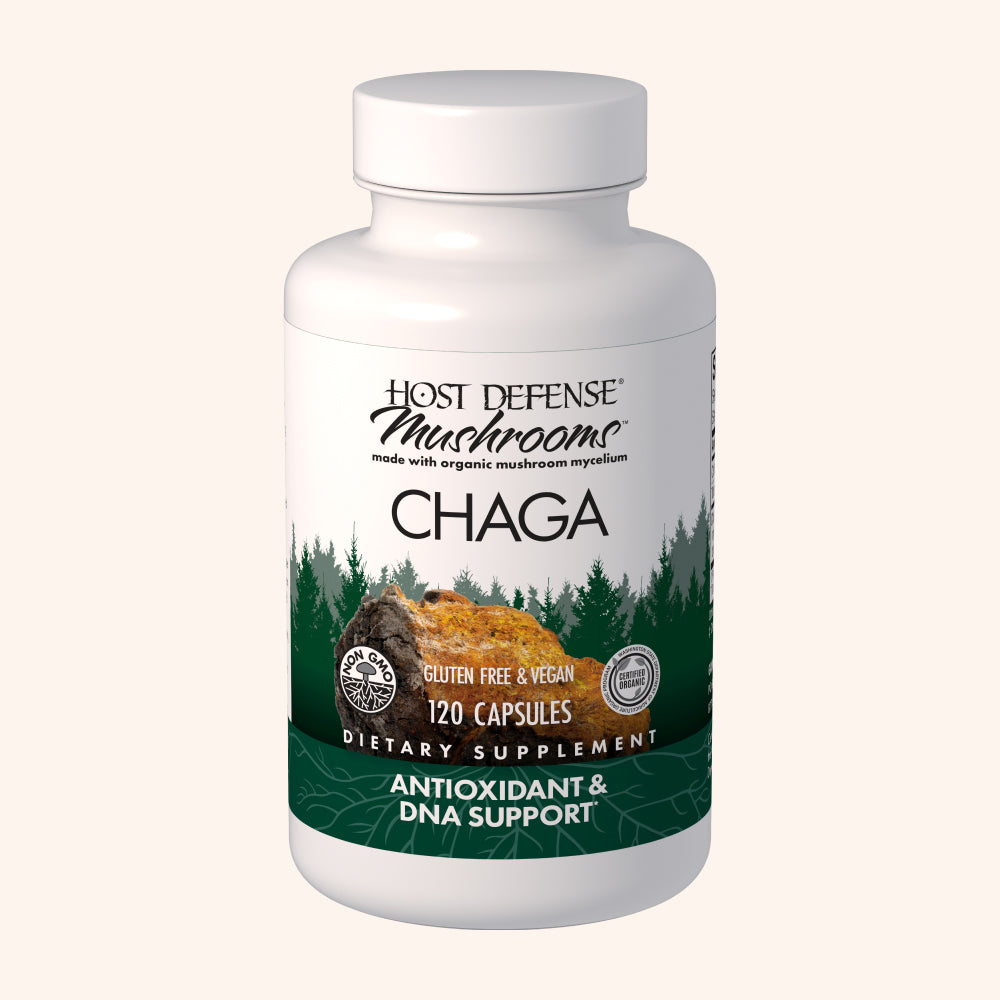
Mycelium grown on fermented rice, wild-vs-cultivated status not disclosed, no beta-glucan percentage published.
Nootropics Depot
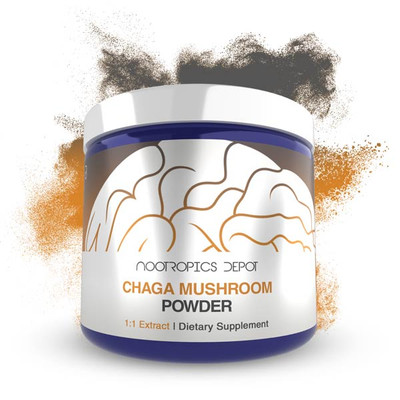
Wild-harvested whole fruiting body, dual-extracted, brand-guaranteed minimum 8% beta-glucans, brand says third-party ISO-lab tested.
Real Mushrooms
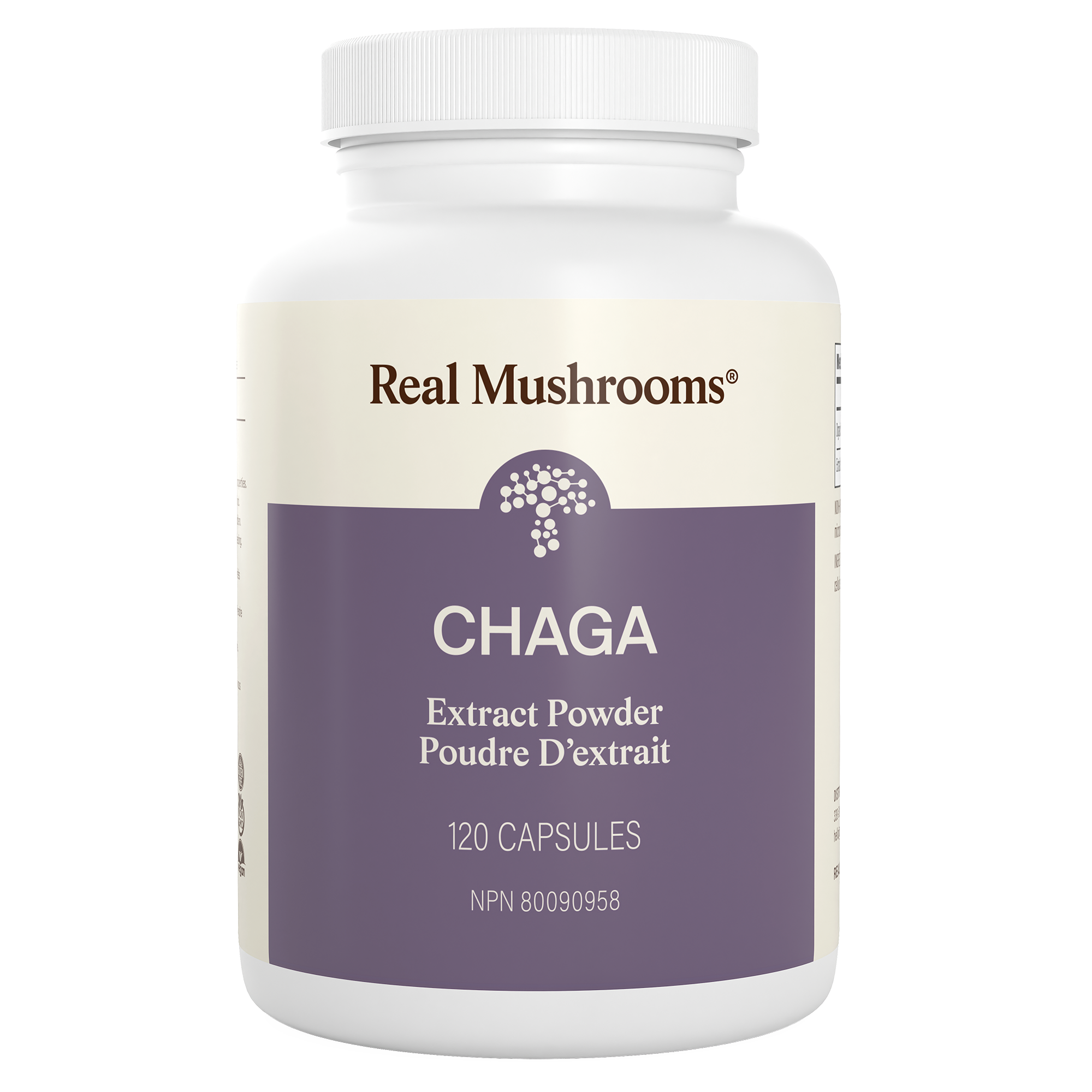
100% wild-harvested sclerotia, hot-water extracted, brand guarantees >30% beta-glucans, brand says NMR species-verified.
Ways to take it
Chaga shows up in several formats beyond capsules: mushroom coffee blends, gummies, and multi-species blends. Check each format's page for what it discloses; none of them are compared against each other on this page.
Frequently Asked Questions
Sources
- Diao et al., Chaga mushroom polysaccharides in streptozotocin-induced diabetic rats: Animal study, not human: fermented Chaga polysaccharides 10/20/30 mg/kg for 6 weeks in diabetic rats; dose-dependent blood glucose reduction and beta-cell structure recovery
- Kim et al., 2020, Journal of Korean Medical Science: Case report: 49-year-old man, end-stage renal disease after long-term Chaga powder use for atopic dermatitis; biopsy showed chronic tubulointerstitial nephritis with oxalate crystal deposits; measured Chaga oxalate content 14.2 g/100g
- Case report, 2022, oxalate nephropathy: 69-year-old man, 10-15 g/day Chaga powder plus 500mg/day vitamin C for 3 months; acute kidney injury with nephrotic syndrome; recovered within 1 month after hemodialysis and high-dose steroids
- Memorial Sloan Kettering Cancer Center, Chaga Mushroom clinical summary: Clinical safety review: platelet aggregation inhibition in animal models, additive blood-sugar effects in vitro, 3 case reports of kidney damage
- Nootropics Depot, Chaga Whole Fruiting Body Extract product page: Brand's own disclosure of wild-harvested source, dual-extraction method, and betulinic acid formation from birch contact
- Real Mushrooms, "What is Chaga" educational article: Brand's own explanation of why lab-cultivated Chaga mycelium cannot contain betulinic acid or other birch-derived compounds