How to Grow Oyster Mushrooms at Home
Oyster mushrooms colonize sawdust substrate in 10-20 days per the Cornell Small Farms Program, then fruit within about a week once humidity and temperature triggers are met, making them the fastest and most forgiving species for a first grow.
Starting from a kit
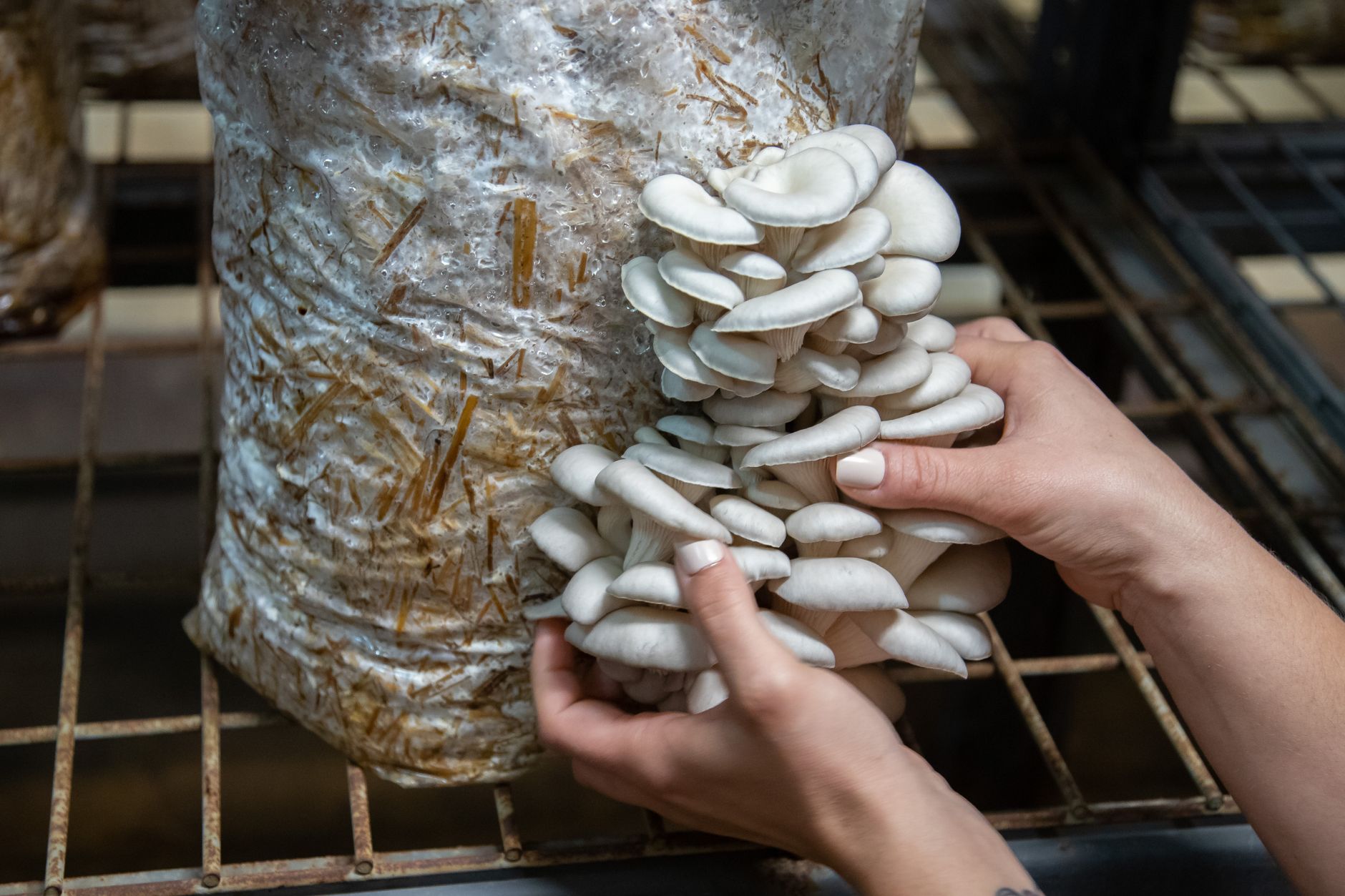
A spray-and-grow kit ships with the substrate already colonized, so the only steps left are initiation and fruiting. Back to the Roots' oyster kit states a 10-day harvest from opening the box; North Spore's Blue Oyster kit states fresh mushrooms in as little as 7 days. Both instruct misting the exposed substrate face daily and keeping it out of direct sunlight.
Starting from bulk substrate
Growing from spawn and substrate yourself means doing the inoculation and incubation stages by hand. Per the Cornell Small Farms Program, oyster spawn mixed into hydrated straw colonizes in 14-28 days; on sawdust, 10-20 days. Colonization starts with "leap off," the point where mycelium first spreads from the spawn into the new substrate, typically around four days after inoculation, and is complete once the mycelium has fused into one solid mass through the bag.
Cornell also flags a real, checkable contamination risk during this stage: substrate that's top-spawned rather than mixed through, or bags packed too close together and allowed to overheat, gives contaminants like green mold more opportunity to take hold before the oyster mycelium can outcompete them.
Fruiting conditions
Once colonized, oyster mushrooms need a trigger to start fruiting: a drop to roughly 60-65°F and a spike in humidity above 85% for the first four days, settling to around 80% after that, per Cornell Small Farms. Mushrooms are ready to harvest when the caps flatten and the edges just begin to curl upward, before they fully flatten and start dropping spores.
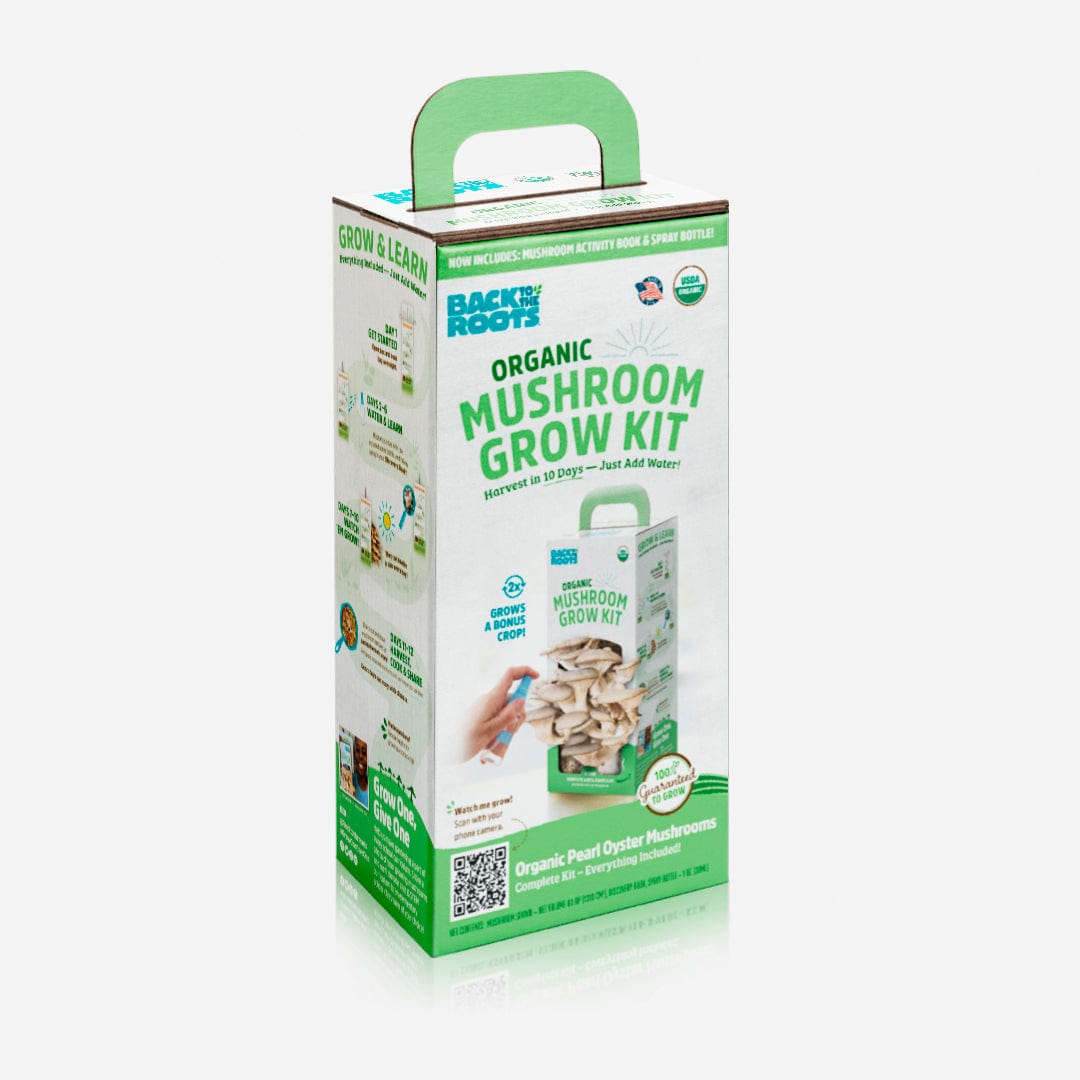
Back to the Roots Organic Mushroom Grow Kit
Pearl oyster mushrooms, organic plant-based soil pre-infused with spawn, spray mister included. Brand states harvest in 10 days and a 100% Guaranteed to Grow replacement policy.
We may earn a commission if you buy through this link, at no cost to you.
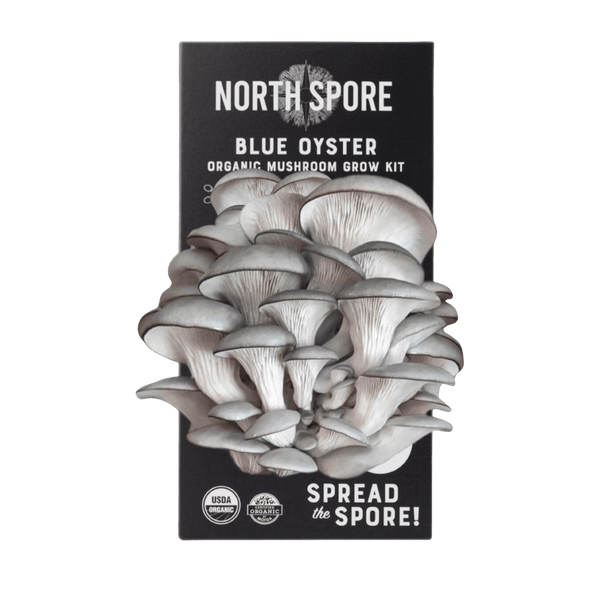
North Spore Organic Blue Oyster Spray & Grow Kit
USDA Certified Organic amended sawdust block, fully colonized. Brand states fresh mushrooms in as little as 7 days and a 100% guarantee on the first flush.
We may earn a commission if you buy through this link, at no cost to you.
For a side-by-side of what several kit brands publish about price, substrate, and guarantees, see Best Mushroom Grow Kits for Beginners. For growing a different species, see How to Grow Lion's Mane Mushrooms at Home. Back to the Growing Mushrooms hub.
Frequently Asked Questions
Sources
- Cornell Small Farms Program, Seven Stages of Cultivation: Oyster-specific colonization timelines by substrate (straw vs. sawdust) and fruiting temperature/humidity ranges
- University of Florida IFAS Extension, D.I.Y. FunGuide: Grow Your Own Oyster Mushrooms at Home: University extension publication on home oyster mushroom cultivation
- Back to the Roots, Organic Mushroom Grow Kit product page: Brand's own kit contents, species, price, harvest timeline, and guarantee claim
- North Spore, Organic Blue Oyster Spray & Grow Kit product page: Brand's own substrate type, price, harvest-timeline claim, and guarantee policy