Growing Mushrooms at Home
Home mushroom cultivation splits into two paths: a pre-colonized kit (open, mist, harvest in 7-21 days, no equipment) or bulk substrate you inoculate yourself (cheaper per pound, longer timeline, more contamination risk). Per the Cornell Small Farms Program's seven-stage framework, a kit has already done stages one through four for you.
Two ways to start
| Method | What it is | Timeline | Cost | Suited for |
|---|---|---|---|---|
| Spray & Grow kit | A pre-colonized substrate block, ready to fruit on arrival | 7-21 days to first harvest | $20-$30 | First-time growers, no equipment |
| Bulk substrate / monotub | You inoculate spawn into hydrated straw or sawdust yourself | 10-28 days colonization, then fruiting | Lower cost per pound at scale; more supplies needed | Growers ready to do the colonization step themselves |
The seven stages, simplified
Per the Cornell Small Farms Program, commercial and home cultivation both move through the same seven stages: strain selection, substrate preparation, inoculation, incubation (colonization), initiation (triggering the mushroom to form), fruiting, and harvest. A spray-and-grow kit arrives already through incubation, meaning the substrate is fully colonized with mycelium before it ships. Growing from bulk substrate means doing the inoculation and incubation stages yourself, which is where most contamination risk shows up: Cornell notes that improperly spaced or top-spawned substrate extends colonization time and gives contaminants more opportunity to take hold.
Pick a species to start with
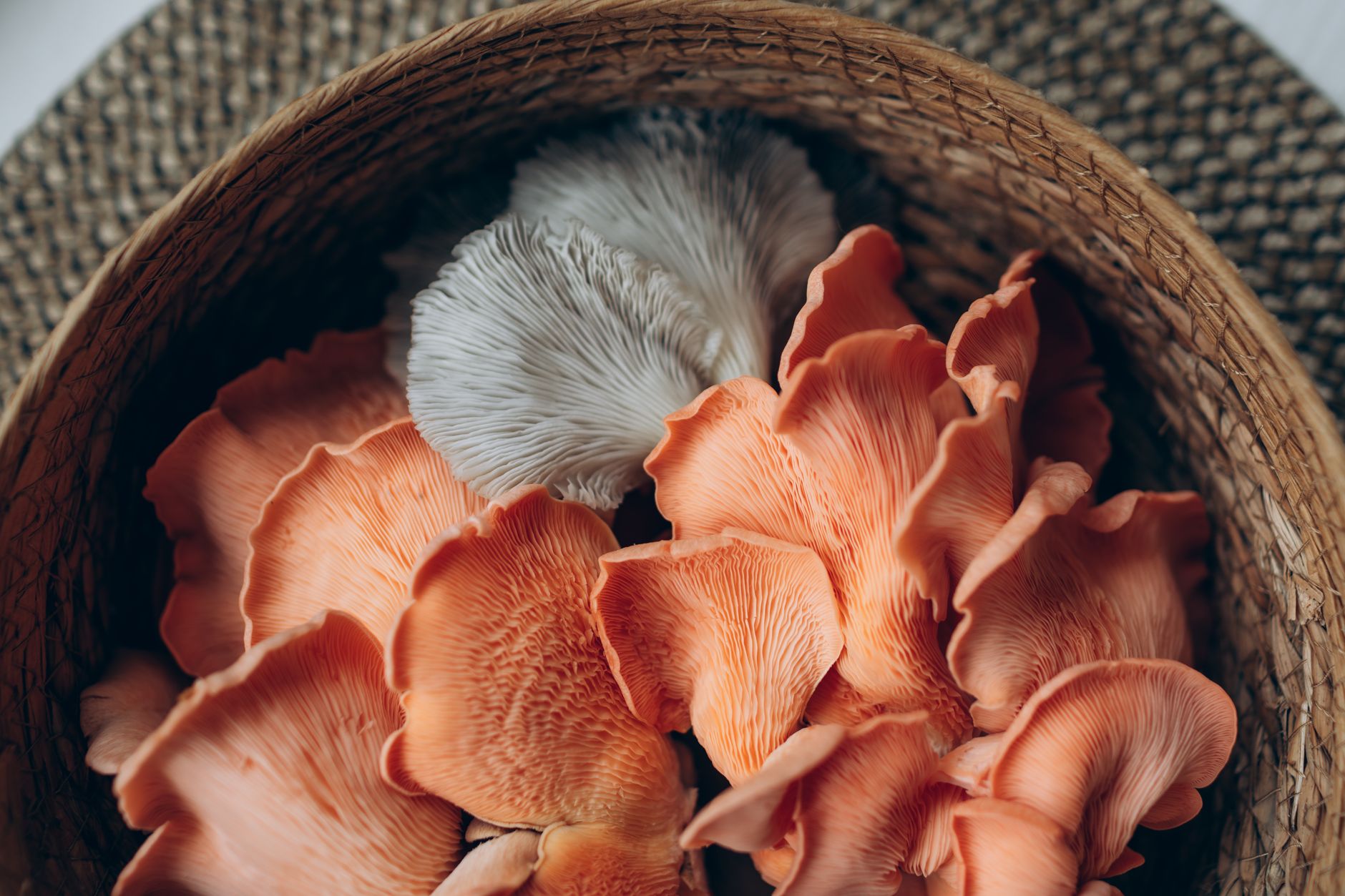
How to Grow Oyster Mushrooms at Home covers the fastest, most forgiving species for a first attempt. How to Grow Lion's Mane Mushrooms at Home covers a species that needs more consistent humidity but reuses this site's existing Lion's Mane research. For a look at what several named kit brands put in the box, see Best Mushroom Grow Kits for Beginners.
Frequently Asked Questions
Sources
- Cornell Small Farms Program, Seven Stages of Cultivation: University extension breakdown of the cultivation process and oyster-specific colonization timelines by substrate
- North Spore, Organic Blue Oyster Spray & Grow Kit product page: Brand's own kit contents, price, and harvest-timeline claim
- Back to the Roots, Organic Mushroom Grow Kit product page: Brand's own kit contents, price, harvest-timeline, and guarantee claim