How to Grow Lion's Mane Mushrooms at Home
Lion's Mane grows on hardwood sawdust substrate, colonizes in 2-3 weeks at 68-75°F per GroCycle's published guide, and needs consistently high humidity once fruiting starts because its solid, spined shape dries out faster than gilled species like oyster.
Substrate
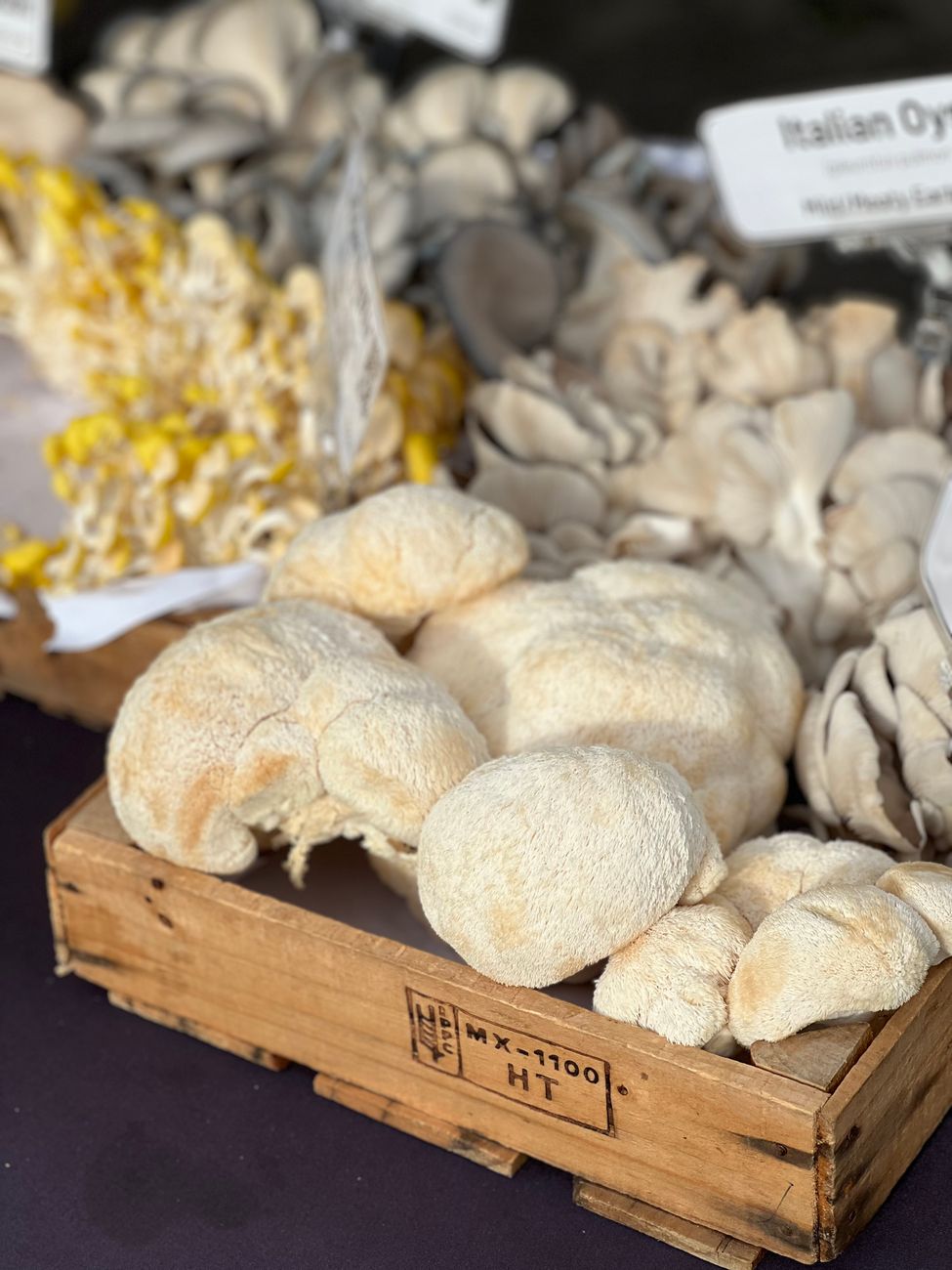
Lion's Mane grows on hardwood-based substrate: oak, maple, or mixed hardwood sawdust or fuel pellets, not softwood species like pine or cedar. Per GroCycle's published cultivation guide, a proven recipe for a 5-pound block is five cups of hardwood pellets, a quarter cup of wheat bran, and six cups of water, sterilized for two and a half hours at 15 PSI before spawn is added. A spray-and-grow kit ships with this step already done.
Colonization
Once inoculated, the bag is kept dark and warm, around 68-75°F, for roughly two to three weeks while the mycelium spreads through the substrate, per GroCycle. Lion's Mane mycelium is notably fine, which GroCycle's guide flags as a real practical difficulty: it can be harder to tell by eye when the block is fully colonized and ready to fruit than it is with a coarser-growing species like oyster.
Fruiting and harvest
Fruiting conditions per GroCycle: 85-90% relative humidity, 59-75°F, with some indirect light. Pinheads form 5-7 days after fruiting begins, reaching full maturity another 5-10 days later depending on temperature. Harvest when the spines have lengthened and the mushroom stops growing, before the spine tips start turning yellow or brown.
Humidity matters more here than for gilled species: North Spore's own Lion's Mane kit instructions specifically warn that the block "can be prone to drying out" and recommend generous, consistent misting rather than the lighter schedule that works for oyster kits.
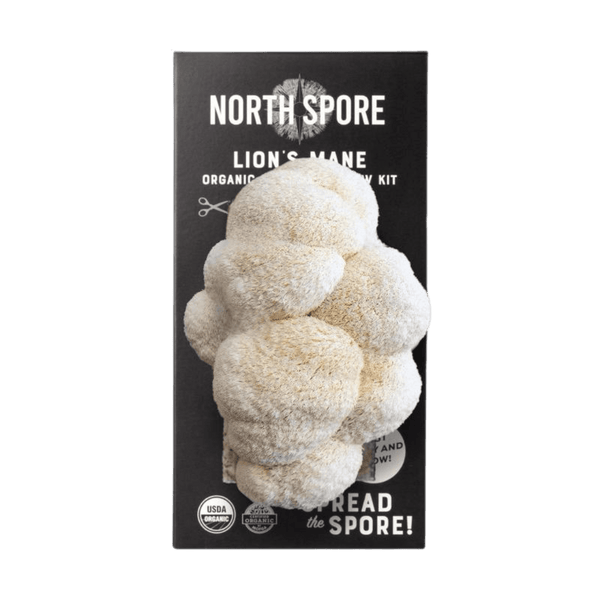
North Spore Organic Lion's Mane Spray & Grow Kit
USDA Certified Organic hardwood substrate block, fully colonized. Brand states fresh mushrooms in as little as 7 days and flags the block as prone to drying out without regular misting.
We may earn a commission if you buy through this link, at no cost to you.
For the clinical research behind why people grow or buy Lion's Mane in the first place, see the Lion's Mane hub. For an easier first species to grow, see How to Grow Oyster Mushrooms at Home. For kit prices and guarantees across brands, see Best Mushroom Grow Kits for Beginners. Back to the Growing Mushrooms hub.
Frequently Asked Questions
Sources
- GroCycle, How to Grow Lion's Mane Mushrooms (Complete Guide): Substrate recipe, colonization temperature/duration, fruiting humidity/temperature/light, and harvest-timing cues
- North Spore, Organic Lion's Mane Spray & Grow Kit product page: Brand's own kit contents, price, harvest-timeline claim, and drying-risk note
- Cornell Small Farms Program, Seven Stages of Cultivation: General cultivation-stage framework referenced for how a kit shortens the process